
,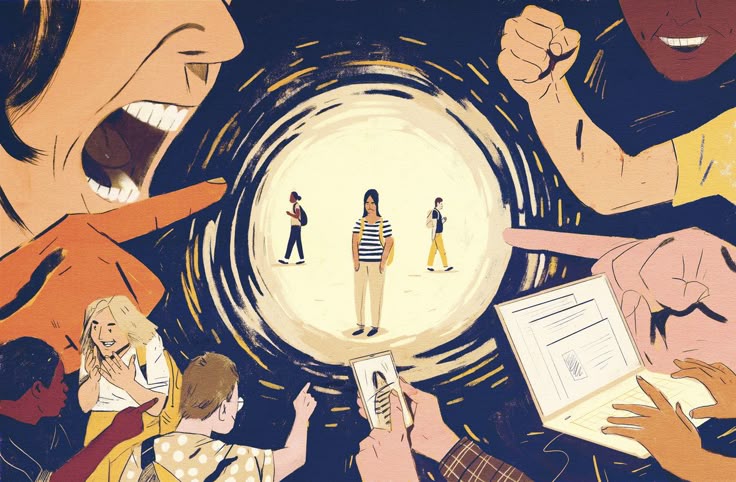
Bullying is a heartbreaking experience no child should endure. As parents, how you respond can shape your child’s confidence, healing, and resilience. In this blog, we’ll explore how parents should react to bullying, understand the types of bullying, and recognize the causes of bullying, all while keeping a compassionate, human touch in every word.
What Is Bullying and Why It Matters
Bullying is more than just teasing. Bullying involves ongoing harmful actions intended to cause emotional or physical distress, often leaving the person feeling powerless or ashamed. It affects mental health, academic performance, and self-esteem. Understanding it is the first step toward action.Recognizing what it is helps you take the right steps to deal with it.
Types of Bullying Every Parent Should Know
There are several types of bullying your child might face. Recognizing them helps you respond appropriately.
- Physical bullying: Hitting, pushing, or damaging belongings.
- Verbal bullying: Name-calling, insults, or threats.
- Social bullying: Spreading rumors, exclusion from groups.
- Cyberbullying: Online harassment through messages, posts, or comments.
Every type of bullying leaves a mark—some can be seen, while others quietly damage a child’s emotional well-being. None should be overlooked .
Causes of Bullying: Why Do Children Bully Others?
- Low self-esteem in the bully
- Desire for control or dominance
- Family issues or exposure to violence
- Peer pressure and social expectations
- Lack of empathy or supervision
Kids often bully to feel powerful or because they lack positive attention. Sometimes, they’re mimicking behaviors they’ve seen at home or in media.
Signs Your Child Might Be Getting Bullied
- Not every child will speak up. Look for warning signs such as:
- Sudden fear of school
- Unexplained injuries
- Sleep disturbances or nightmares
- Loss of appetite
- Decline in academic performance
- Withdrawal from friends and activities
Always keep communication open.Talking with care and patience can help your child feel safe enough to share what they’re going through.
What Parents Should Do Immediately
Reacting calmly and wisely is crucial.
- Stay Calm and Listen
Avoid reacting with anger or panic. Make your child feel comfortable enough to open up without fear or judgment. Let them feel heard.
- Validate Their Feelings
Acknowledge their pain. Say things like, “That sounds really hard. I’m so sorry this happened to you.”
- Gather Details Without Pressure
Ask open-ended questions gently. Find out when, where, and how often it happens.
- Assure Them It’s Not Their Fault
Children often blame themselves. Remind them that they did nothing to deserve it , it’s not their fault that they are getting bullied .
How to Handle the School?
- Bullying often happens on school grounds. Here’s what to do:
- Contact the teacher or school counselor.
- Request a written report of the incident.
- Follow up regularly for updates.
- Know your school’s anti-bullying policies.
- Stay respectful but firm. Be your child’s advocate without escalating tension.
Support Your Child Emotionally
- Healing takes time. Your support is everything.
- Encourage hobbies and activities that build confidence.
- Spend quality time together.
- Introduce them to stories or role models who overcame bullying.
- Consider therapy if needed.
- Show them they’re loved, strong, and never alone.
Teach Them How to Respond
- Help your child build the confidence and skills they need to handle bullying situations.
- Practice assertive responses like “Stop that. It’s not okay.”
- Teach them to walk away and seek help.
- Encourage them to stay close to friends.
- Build their self-worth through positive affirmations.
Build a Bully-Free Environment at Home
Children learn behaviors from home. Model kindness, respect, and empathy. Talk about emotions and how to express them. Discipline without aggression. Praise good behavior, and set firm boundaries against any form of verbal or physical harm.
When to Seek Professional Help
If bullying affects your child’s sleep, eating, or mental health, don’t wait. Consult a counselor, pediatrician, or child psychologist. Early intervention can prevent long-term emotional scars. At Kavach, nurturing young minds is our foundation. We design every service with care to strengthen children’s emotional well-being—from one-on-one virtual sessions to interactive activities that foster trust, connection, and confidence. Our goal is to create spaces where every child feels heard, valued, and truly supported.
Your Role as a Parent is Powerful
The way you react to bullying can shape your child’s self-image for life. Be present , strong and kind. Don’t underestimate your influence.
Conclusion
No parent wants to hear their child is being bullied, but your response makes all the difference. Recognize the types of bullying, understand the causes of bullying, and respond with love, action, and strength. Together, we can raise children who are confident, empathetic, and ready to stand tall against cruelty.