
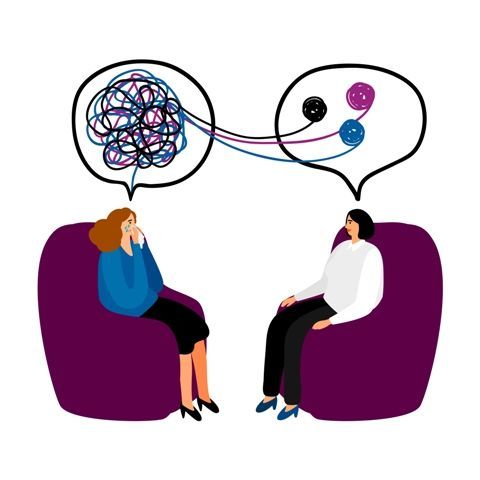
Children may seem carefree, but their emotional world is often more complex than adults realize. Beneath their bright smiles and playful giggles lie emotions they might not yet understand or know how to express. In these tender years, counseling becomes an essential tool to help them feel safe, heard, and emotionally balanced.
Why Children Need Counseling Today More Than Ever
In today’s world, children face stress from multiple directions—academic expectations, peer pressure, screen addiction, and even family dynamics. These stresses often lead to feelings of confusion, anxiety, or withdrawal.
Many kids struggle silently because they don’t yet have the language or tools to express how they feel. That’s where professional counseling steps in, helping them identify, understand, and cope with emotions in a healthy and constructive way.
Early Support Builds a Strong Emotional Foundation
Emotional challenges, when ignored in childhood, don’t disappear—they grow with the child. Introducing counseling at an early stage helps students build strong emotional foundations that contribute to their long-term well-being.
Through sessions with trained professionals, children learn how to communicate their feelings, manage stress, and navigate social relationships. These are not just therapy techniques—they are life skills that foster emotional intelligence.
A Safe Space to Be Themselves
Children often hold back their feelings, fearing they might be misunderstood or judged. It provides an environment where they feel free to be truly themselves. Here, they feel safe to talk, draw, cry, or simply sit in silence—whatever helps them heal.
This trust-building environment helps even the most reserved child open up. Once a child feels safe, they begin to explore their emotions with curiosity rather than fear.
Recognising the Warning Signs Early
Parents, guardians, and teachers play a vital role in noticing behavioral shifts.If you notice these behaviors, it may be time to consider counseling for your child:
- Sudden mood swings or anger outbursts
- Withdrawal from friends or activities
- Drop in academic performance
- Trouble sleeping or frequent nightmares
- Clinginess or separation anxiety
By acting early, you help prevent small issues from turning into larger emotional struggles.
The Role of Digital Tools: Counseling Apps for Children
In our tech-driven age, even therapy has gone digital. Many parents now use counseling apps to access mental health support for their children anytime, anywhere.
These apps make therapy less intimidating. With user-friendly features, playful visuals, and interactive tools, children often find it easier to open up through digital platforms. At Kavach, these apps are designed with care, security, and sensitivity, ensuring young users feel supported every step of the way.
Whether it’s a quick check-in, mood tracking, or one-on-one video counseling, these apps help bridge the gap between help needed and help received.
Counseling in Schools: Creating Emotionally Safe Learning Spaces
More schools are now recognizing the importance of counseling for students as part of holistic education. Counseling programs in schools promote better academic performance, reduce behavioral problems, and increase emotional well-being.
School counselors also provide tools for conflict resolution, social interaction, and stress management. They work in close coordination with teachers and parents to create individualized care strategies. These proactive efforts ensure that every child feels emotionally supported while they learn.
Counseling Helps in Building Empathy and Resilience
Through counseling, children learn that it’s okay to feel sad, angry, or anxious. They gain the strength to move forward after facing tough emotions. This is how resilience is built—not by suppressing emotions, but by understanding and processing them.
Counseling also helps kids develop empathy by encouraging them to think about how others feel. These emotional skills are essential not just in childhood but throughout life.
Dispelling Myths: Counseling Is Not Just for “Problem Kids”
Many parents hesitate to seek counseling for their children due to the stigma that it’s only for kids with “serious issues.” That’s a harmful myth.
The truth is, counseling supports mental well-being just like a regular health check-up supports physical wellness. Whether your child is dealing with bullying, adjusting to a new school, or simply feeling overwhelmed—therapy can help.
By normalizing mental health conversations at home, parents can teach their children that it’s strong—not weak—to ask for help.
Kavach: Protecting and Empowering Young Minds
At Kavach, children’s mental health is at the core of everything we do. We design our services to support the emotional well-being of young individuals with care and intention. We offer virtual sessions and engaging activities that help children feel safe, seen, and supported.
Whether your child prefers face-to-face sessions or wants to begin with a gentle introduction through a counseling app, Kavach provides compassionate care with a personal touch.
Our therapists bring more than just mental health expertise—they actively practice empathy, patience, and kindness, ensuring every child receives the understanding they deserve.
Take the First Step Towards Emotional Wellness
If your child is struggling—even slightly—it’s okay to seek help.It’s better to reach out early, rather than waiting for things to become overwhelming. Early intervention leads to more meaningful change.
Counseling can be life-changing. It helps children gain clarity, calmness, and confidence. With platforms like Kavach making it more accessible than ever, now is the perfect time to act.
Your child’s emotional health matters. And with the right support, even the tiniest heart can grow strong, brave, and beautifully balanced.